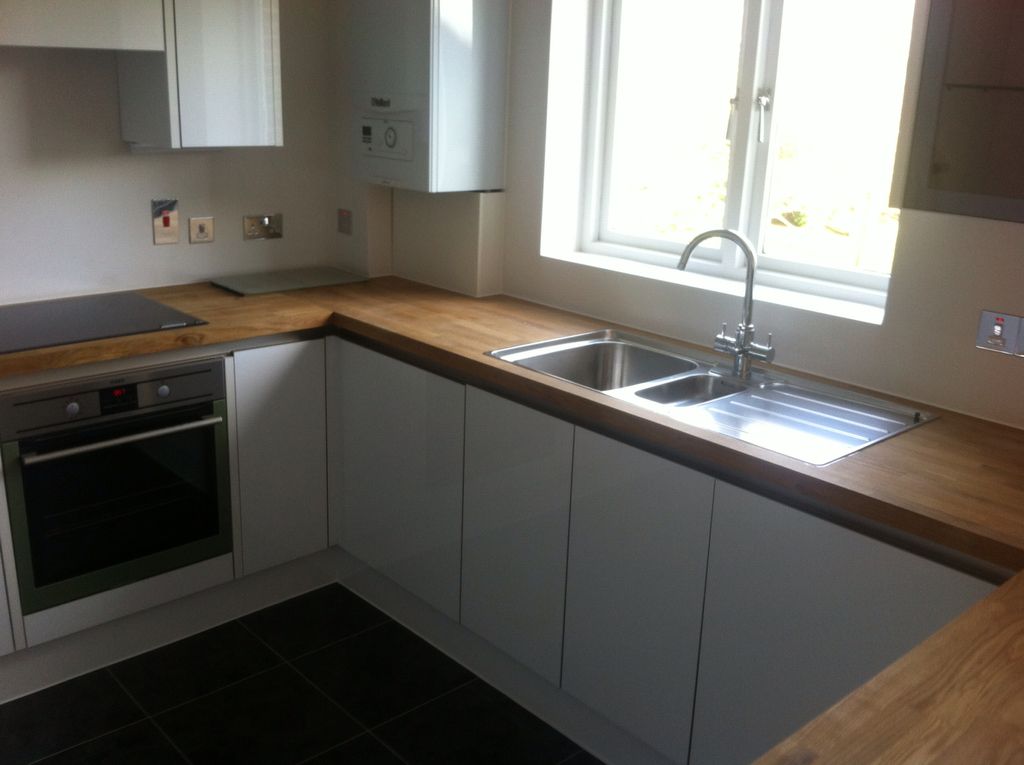
When a kitchen starts to feel tired, the first instinct is often to tear everything out. Sometimes that is the right call. More often, a kitchen has good bones hiding under dated finishes, and a careful refresh can deliver most of the change for far less disruption.
Start with what works
Before talking about cabinets or counters, spend a week noticing how you actually use the room. Where do you set down groceries? Which drawer is always jammed? Where does everyone gather while dinner cooks? Those habits tell you what to protect and what to fix.
- Solid cabinet boxes in a layout you like can usually stay.
- Plumbing and gas lines that are already in sensible places save real money.
- A window over the sink or good natural light is worth designing around.
Change the surfaces you touch every day
Doors, drawer fronts, hardware and counters are what you see and handle most. Refacing or painting cabinets, adding soft-close hinges and choosing a durable counter such as quartz or butcher block can make the whole room feel new.
Light it in layers
Many older kitchens rely on a single ceiling fixture. Adding under-cabinet strips, a pendant over the island or table and a dimmer on the main light changes both how the kitchen works and how it feels in the evening.
Know when a bigger change makes sense
If the layout forces you to walk around a peninsula every time you cook, or there is simply nowhere to prep, moving walls or plumbing may be worth it. We will always talk through both paths so you can decide with clear information.
Thinking about your own kitchen? Tell us what is working and what is not, and we will suggest a plan that fits.